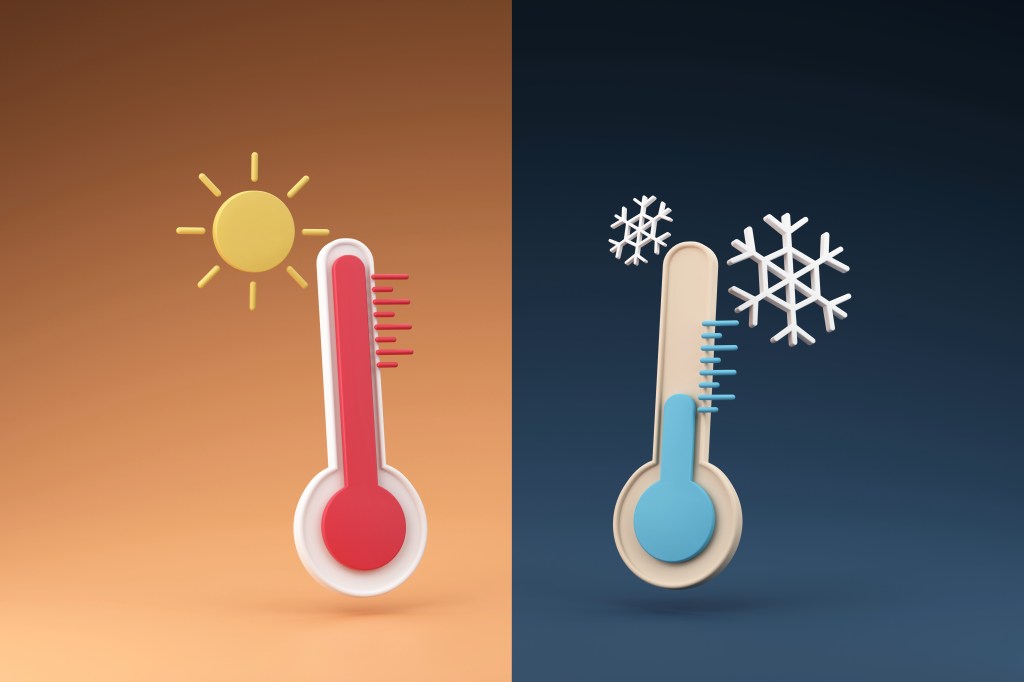
When you’re injured or sore, you might hear varying advice on whether to use cold or heat. So, which is the better choice? The short answer is: both are great, but in different circumstances. In this article, we’ll figure out which temperature is best for your situation.
The Basics
Cold Therapy
- Involves the application of ice packs or cold compresses to the affected area.
- Help reduce inflammation, numb pain, and constrict blood vessels, which can decrease swelling and tissue damage.
- Is typically recommended immediately after an injury or intense physical activity to reduce swelling and tissue damage
Heat Therapy
- Involves the application of heat to the affected area using heating pads, warm towels, or warm baths.
- Increases blood flow to the area, which can promote healing by delivering nutrients and oxygen to the muscles and by relaxing tense muscles.
- Is often used for chronic conditions or to soothe stiff muscles and improve flexibility before exercise.
When/How to Use Each
Cold Therapy
Cold therapy is recommended for acute or recent injuries to help minimize swelling and control pain. Applying an ice pack or cold compress within the first 72 hours of an injury can effectively reduce inflammation and discomfort. It’s important to limit direct exposure to ice to short intervals and use a barrier between the ice and the skin to prevent skin damage or frostbite.
Heat Therapy
Heat therapy is best for chronic conditions and muscular pain. Heat helps relax stiff joints and muscles by increasing blood flow to the area. It’s particularly useful for old injuries or conditions like tendonitis or arthritis. Incorporating heat treatments before engaging in physical activities can help prime the tissues for movement and reduce the risk of strain. However, heat therapy is not advisable immediately following exercise or acute injuries, as it can exacerbate swelling and inflammation. Heating pads or hot towels are common sources of heat therapy, and it’s essential to take breaks between treatments to prevent burns or irritation.
To Sum It Up:
- Use cold within the first 72 hours of an acute injury
- Use heat for chronic injuries (especially before exercise) and 72+ hours after acute injury occurrences
Cold therapy is better for reducing inflammation and managing acute pain, while heat therapy promotes blood flow and relaxes muscles, which aid in recovery and improve flexibility. Depending on the specific injury or condition, a combination of both cold and heat therapy may be used at different stages of the recovery process. However, It’s essential to consult with a healthcare professional to determine the most appropriate treatment for your specific situation.
 Well With Will
Leave a comment